Sailor from the late 1700s - early 1800s. Lovely cut out from a 19th century period album. Would look great in a small frame.
This item shows a Raphael Tuck & Sons Victorian die-cut paper scrap depicting a young boy in a Royal Navy uniform.
The Battleship: The cap tally names H.M.S. Renown, which specifically references the Centurion-class battleship built and commissioned into the Royal Navy fleet in 1897, serving as a flagship in the Mediterranean.
The Uniform: The wide sailor collar with three rows of white braid and the dark navy blue jumper represent the standard uniform design formalized by the British Admiralty in the late 19th century
Cap Tally: His cap ribbon reads "H.M.S. RENOWN", a historical name used by several prominent Royal Navy vessels.
Uniform Elements: He is illustrated wearing a classic dark blue overshirt with a traditional three-striped sailor collar, white trousers, and two campaign medals on his chest.
Era: This type of ephemera was highly collectible during the late 19th and early 20th centuries (Victorian/Edwardian eras), often used in scrapbooking
Raphael Tuck & Sons was a legendary British publishing company founded in London in October 1866, globally renowned for driving the "Golden Age of Postcards" and producing highly coveted Victorian die-cut paper scraps, paper dolls, and pop-up books.
History & Legacy Founding: Started by Raphael Tuck and his wife Ernestine in a small shop on Union Street, London. They originally sold pictures and frames before expanding into fine art printing, lithographs, and chromolithographs.
Royal Warrant: Before retiring in 1882, Raphael Tuck became an official citizen and the appointed "Publisher to Queen Victoria". The company subsequently produced lavish, specialized cards and ephemera for the Royal Family.
Global Influence: Driven by their son, Sir Adolph Tuck, the company opened major international offices in New York, Paris, and Montreal. They popularized the modern Christmas card and led the global postcard boom between 1898 and 1919.
The Blitz: In 1940, the historic company headquarters, Raphael House, was bombed during the London Blitz. Millions of original artwork files, manufacturing records, and historical archives were instantly destroyed, causing a loss from which the business never fully recovered.
Sailor from the late 1700s - early 1800s. Lovely cut out from a 19th century period album. Would look great in a small frame.
This item shows a Raphael Tuck & Sons Victorian die-cut paper scrap depicting a young boy in a Royal Navy uniform.
The Battleship: The cap tally names H.M.S. Renown, which specifically references the Centurion-class battleship built and commissioned into the Royal Navy fleet in 1897, serving as a flagship in the Mediterranean.
The Uniform: The wide sailor collar with three rows of white braid and the dark navy blue jumper represent the standard uniform design formalized by the British Admiralty in the late 19th century
Cap Tally: His cap ribbon reads "H.M.S. RENOWN", a historical name used by several prominent Royal Navy vessels.
Uniform Elements: He is illustrated wearing a classic dark blue overshirt with a traditional three-striped sailor collar, white trousers, and two campaign medals on his chest.
Era: This type of ephemera was highly collectible during the late 19th and early 20th centuries (Victorian/Edwardian eras), often used in scrapbooking
Raphael Tuck & Sons was a legendary British publishing company founded in London in October 1866, globally renowned for driving the "Golden Age of Postcards" and producing highly coveted Victorian die-cut paper scraps, paper dolls, and pop-up books.
History & Legacy Founding: Started by Raphael Tuck and his wife Ernestine in a small shop on Union Street, London. They originally sold pictures and frames before expanding into fine art printing, lithographs, and chromolithographs.
Royal Warrant: Before retiring in 1882, Raphael Tuck became an official citizen and the appointed "Publisher to Queen Victoria". The company subsequently produced lavish, specialized cards and ephemera for the Royal Family.
Global Influence: Driven by their son, Sir Adolph Tuck, the company opened major international offices in New York, Paris, and Montreal. They popularized the modern Christmas card and led the global postcard boom between 1898 and 1919.
The Blitz: In 1940, the historic company headquarters, Raphael House, was bombed during the London Blitz. Millions of original artwork files, manufacturing records, and historical archives were instantly destroyed, causing a loss from which the business never fully recovered.
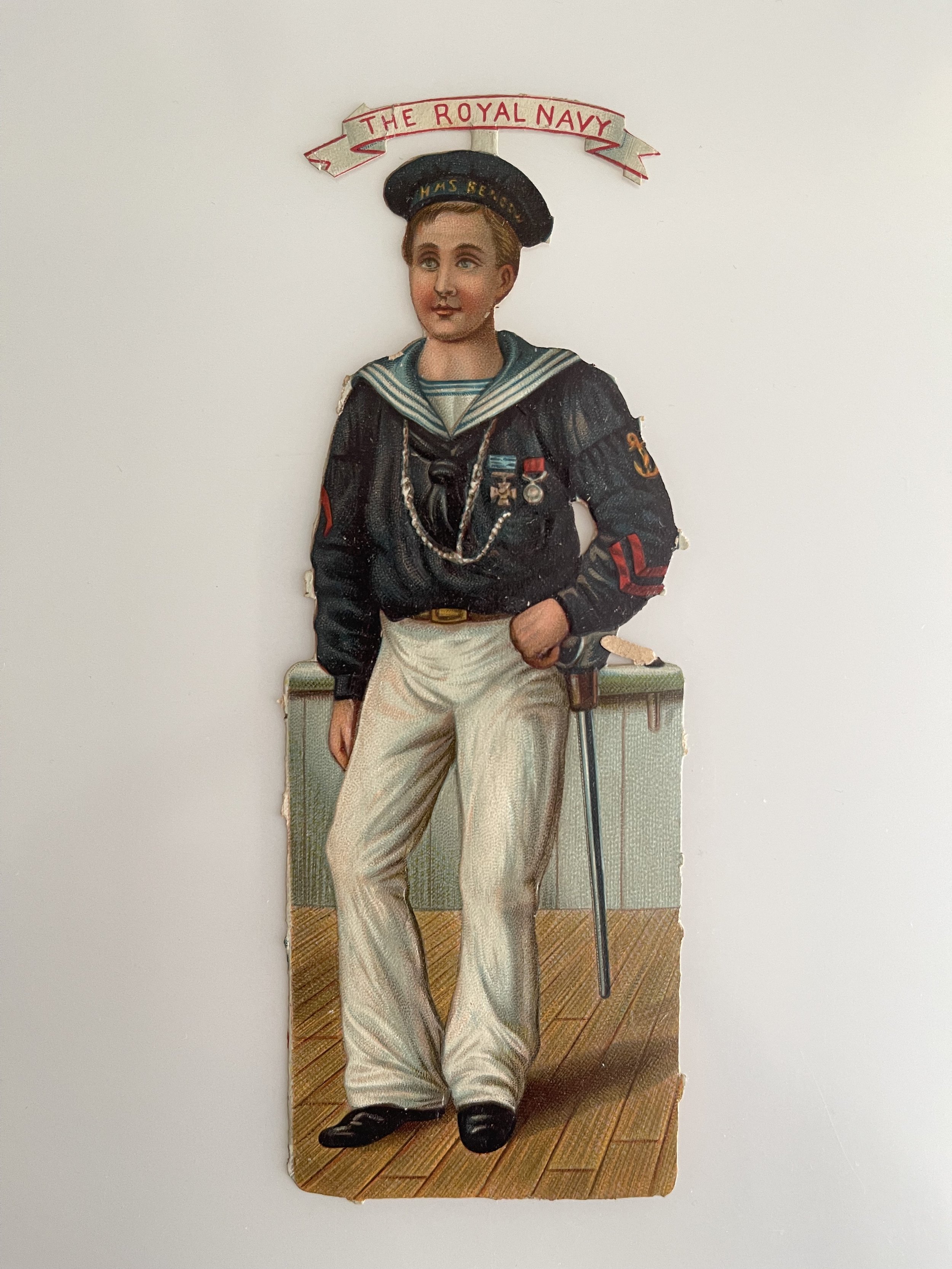 Image 1 of 4
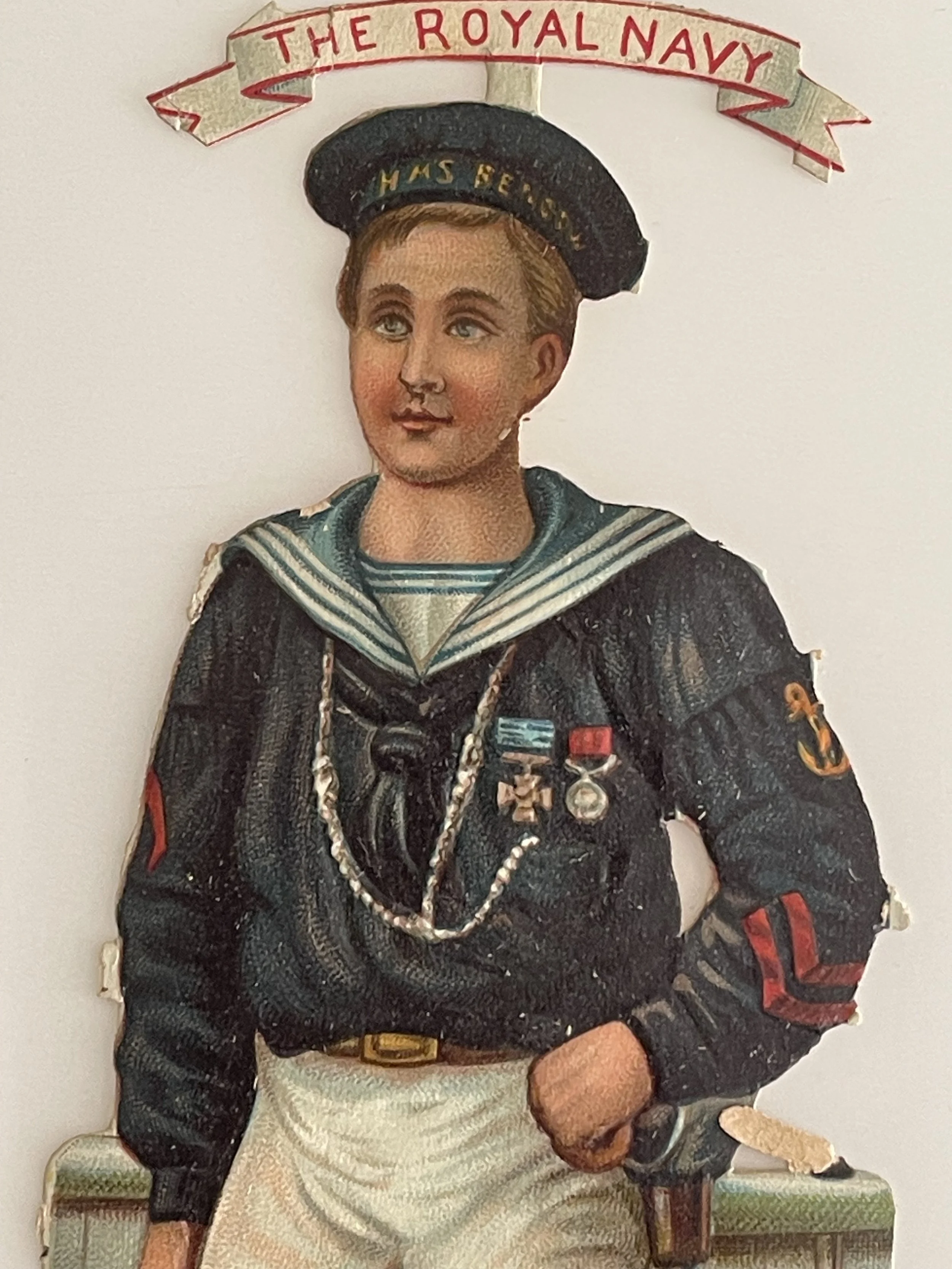 Image 2 of 4
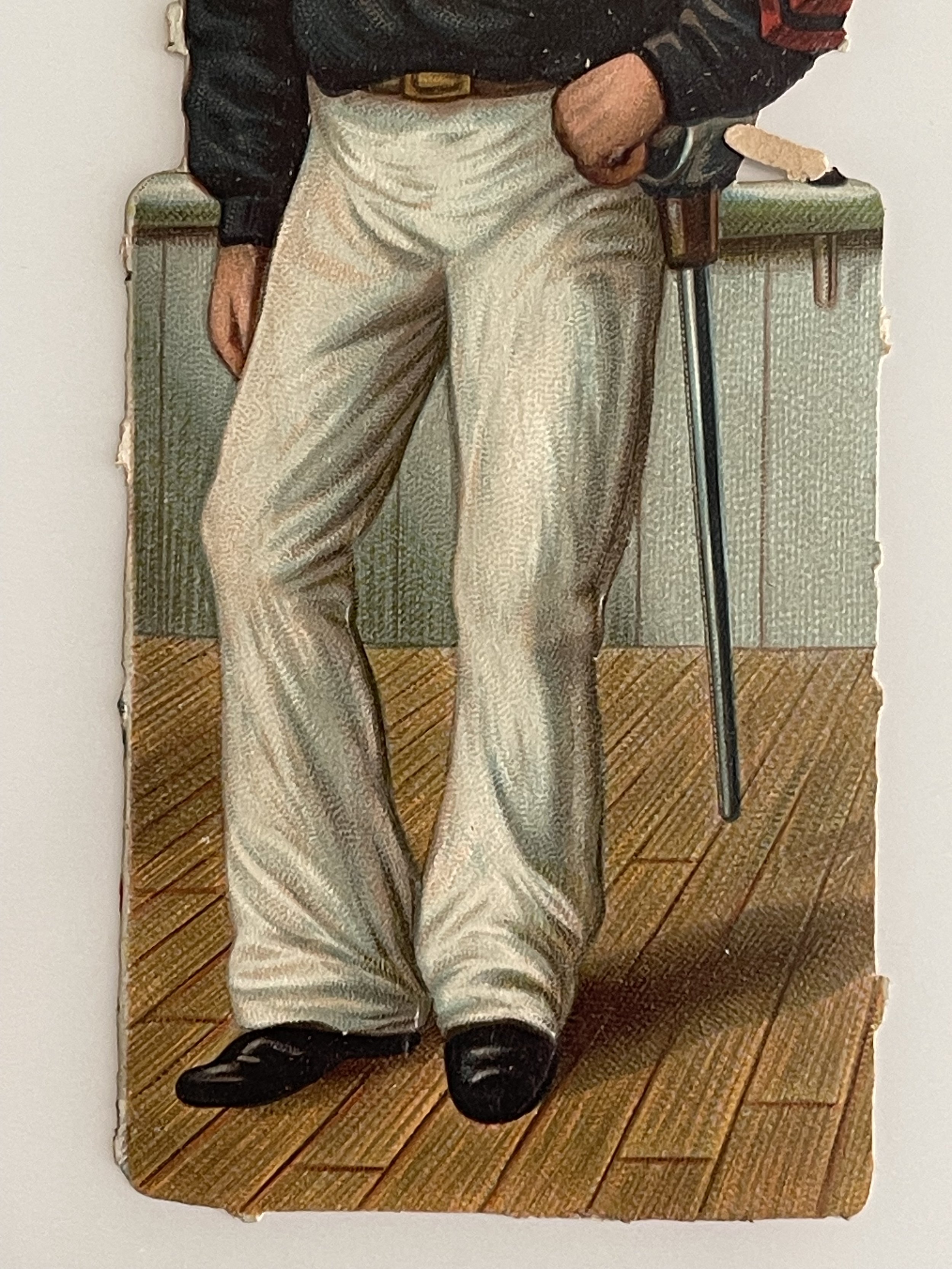 Image 3 of 4
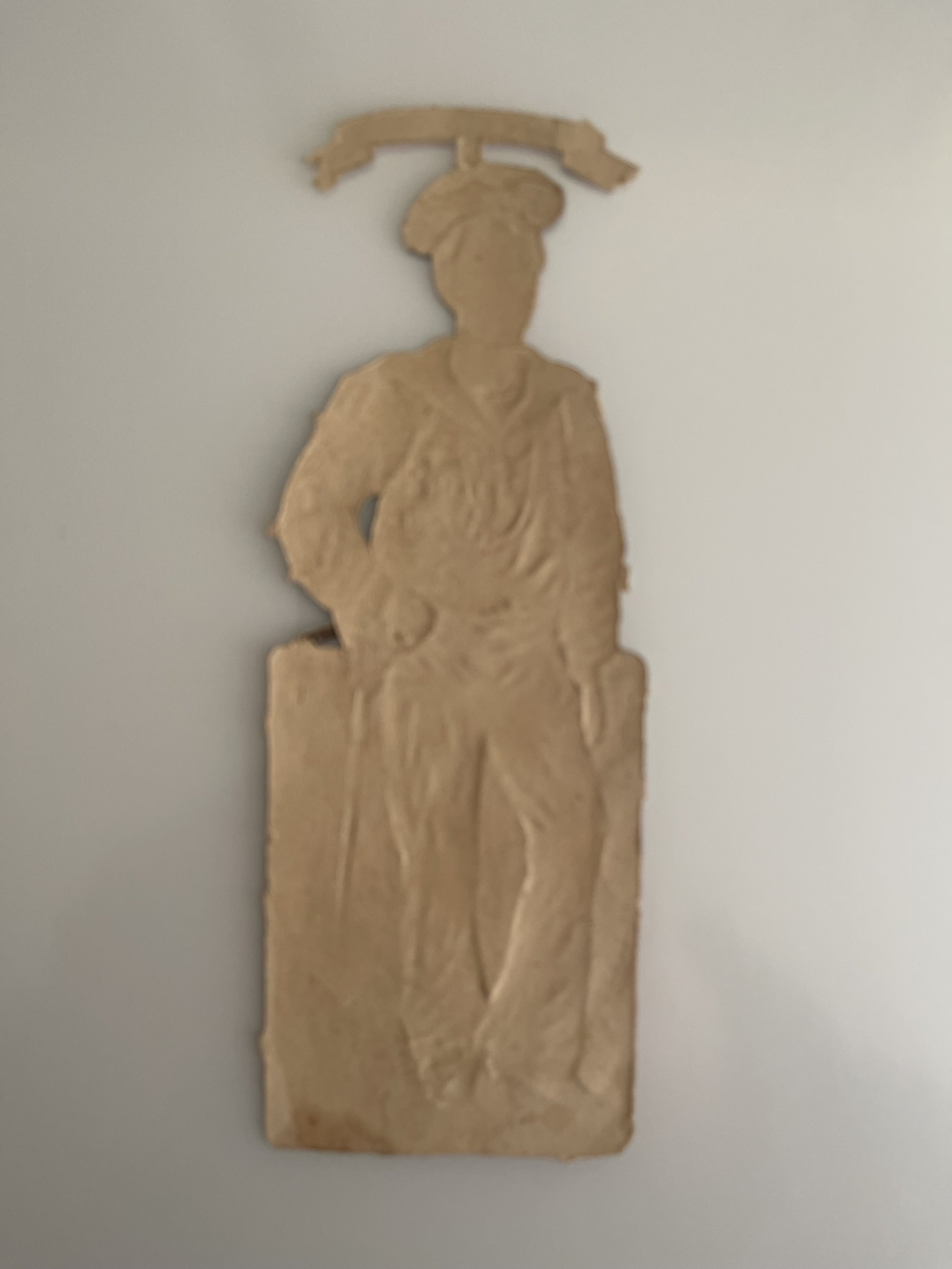 Image 4 of 4